Case studies

Proof, not promises.

Three brands, three different problems. Same approach every time: find the real growth gap, test before scaling, and follow the numbers across the whole customer journey. Here's how each one actually went.

01Tupperware

Building Tupperware's first direct-to-consumer business, from nothing, in the UK.
Chief Marketing Officer, UK  ·  2021–2025  ·  via Brand Creations

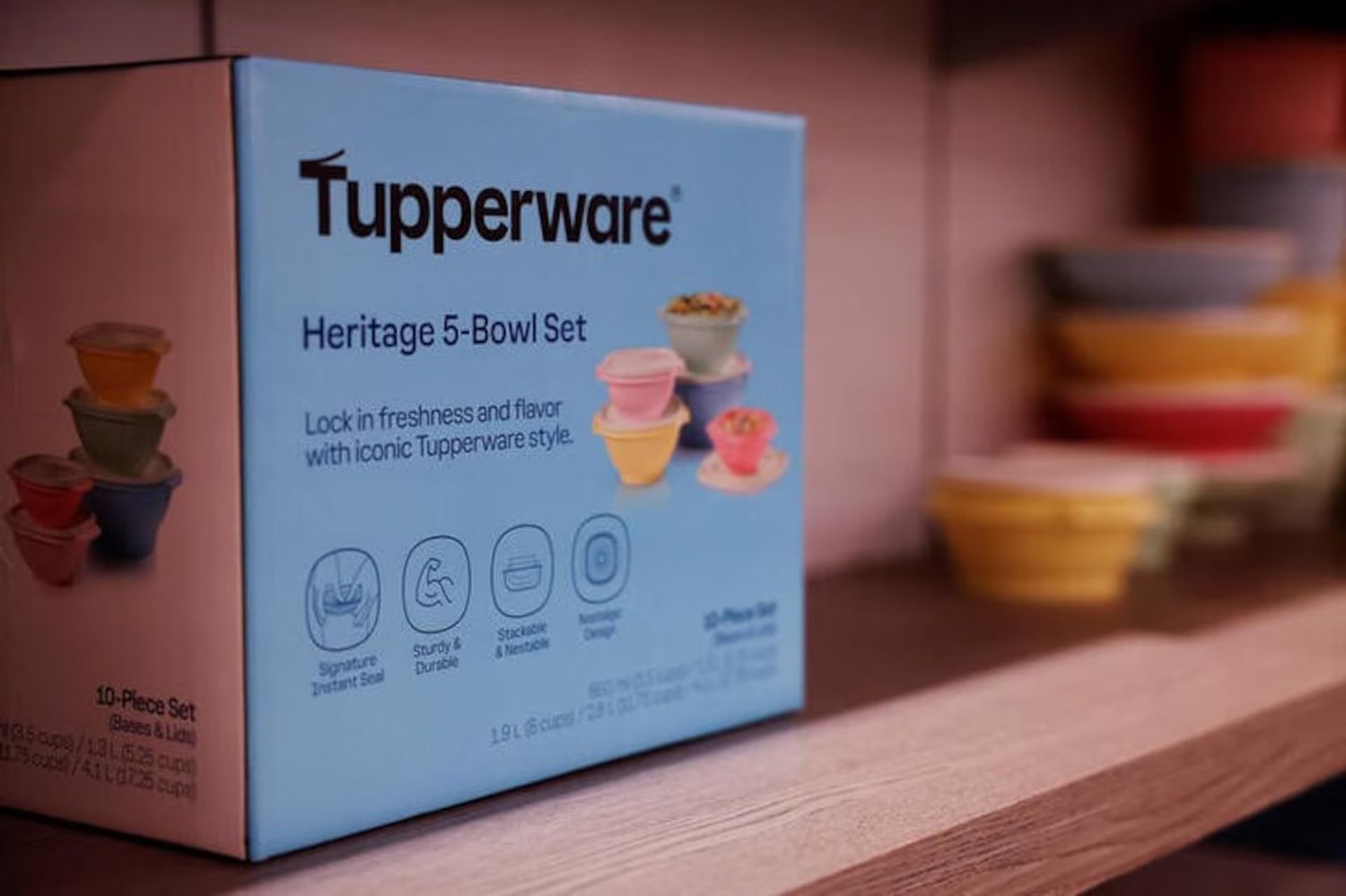
Tupperware FridgeSmart
Tupperware: 75 years of brand equity, brought direct to consumers in the UK.
34%
average month-on-month growth, year one
800k+
units of one hero product sold across Europe in two years
3.4:1
lifetime value to acquisition cost
First-ever
DTC channel in a 75-year history
Tupperware Direct UK · monthly DTC sales (indexed)
Indexed to launch. First year, March 2022 onward. No revenue figures shown.
Monthly sales (indexed)Apr '22Jul '22Oct '22Jan '23Mar '23

The challenge

When I came in, Tupperware's classic in-person party model was fading, and in the UK the brand had no direct-to-consumer business at all. My job as CMO was to build one from nothing, and prove it before anyone bet big on it.

The strategy

Test. Launched TupperwareDirect.com in March 2022 with exclusivity on two hero products, FridgeSmart and BreadSmart, using paid media and direct response to find product-market fit fast.

Optimize. Tightened the funnels and built a clear read on the unit economics, keeping acquisition cost low while pushing lifetime value to more than three times the cost of acquiring a customer. FridgeSmart customers were worth noticeably more over time than BreadSmart, which told us where to push.

Scale. The lever that held margins as spend grew was the D2 approach: direct response TV alongside digital, driving high-intent customers into the funnel rather than chasing cheap clicks.

The result

A first-ever DTC channel for a 75-year-old brand. Around 34% month-on-month growth across the first year, with customers acquired at better than 3 to 1 lifetime value to acquisition cost, from a standing start, inside a brand going through global restructuring. Proven well enough to base a multi-market expansion plan on.

The wider machine

The DTC store was one arm of a bigger operation. Across two years, the license moved over 800,000 units of a single hero product across Europe: infomercials, home shopping TV, Amazon, retail distributors, a call center, and the store I built.

Here's the part the channel reports never showed: those channels fed each other. TV sent people to Google, where my ads were waiting. People who saw my ads bought wherever was nearest, Amazon, the call center, the TV offer. That activity never landed on my scoreboard, and my spend never showed up in theirs. DTC was the slice with receipts, the one place where every pound in and every pound out was measured. The rest of the machine ran better because it existed. That's incrementality, and it's why I never judge a channel by its own scoreboard.

Lesson

Prove the economics small before you scale them. A channel with a low acquisition cost and 3-to-1 lifetime value is one you can pour money into. One you haven't measured is just hope.
02Big Chill Appliances

Beautiful retro appliances, almost no direct sales. I built the engine that changed that.

Director of Growth & Digital Marketing  ·  Boulder, CO  ·  2016–2021

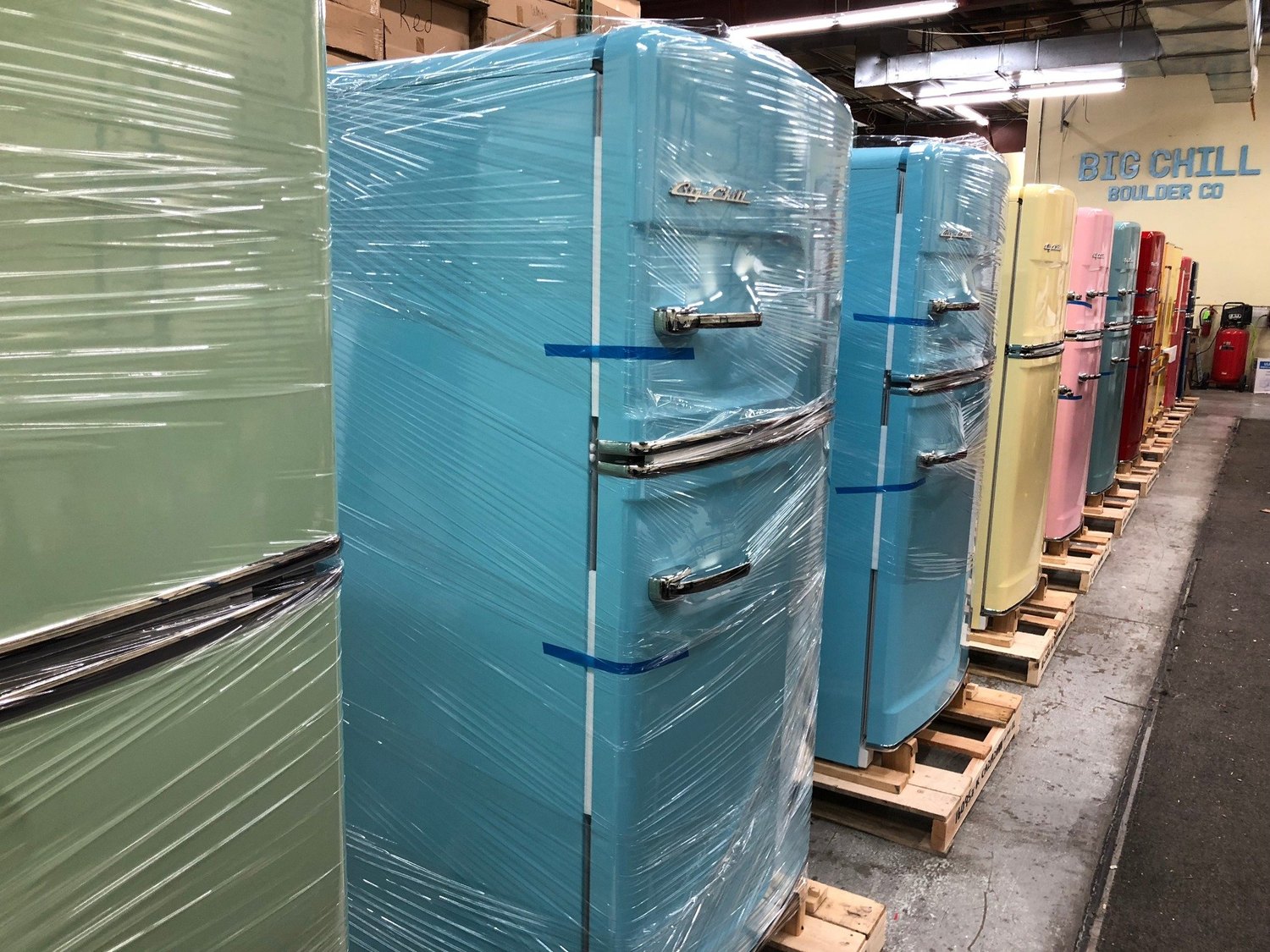
Big Chill retro fridge
Big Chill’s retro range, in the Boulder, Colorado factory.
300%+
digital revenue growth, 2016 to 2021
20x
more site traffic than print ads, at far lower cost
+40%
average order value
7→8
low seven figures to eight
Big Chill · digital revenue growth
Indexed digital revenue, 2016 to 2021.
Digital revenue2016201720182019202020218-figure

The challenge

Big Chill made beautiful retro appliances, the kind people fall in love with, and sold almost none of them direct. The product range was strong. The ecommerce operation was early and mostly untapped. My job was to build customer acquisition and lift average order value, which mattered more here than most places: a full kitchen set could run up to $20,000.

The strategy

I started in the numbers. CAC, AOV, and LTV were the compass, because those three decide whether growth is real or just expensive.

The channel that paid off wasn't the obvious one. It was Pinterest, early, before most brands took it seriously, and full of exactly the customers we wanted. Organic posts and collaborations with micro-influencers, a lot of them stay-at-home moms, drove roughly 20x the traffic of our print ads in places like Architectural Digest, at a fraction of the cost. Pinterest's analytics let me measure what was working and scale it with confidence.

Traffic was only the first step. To turn it into sales I built tailored customer journeys and funnels: targeted campaigns, custom landing pages, and email built around cart abandonment and repeat purchase. Big Chill's products earned real loyalty, especially from Pinterest-acquired customers, and as ad costs rose that loyalty became the asset. We optimized for LTV through cross-sell, which kept us scaling profitably even as acquisition got more expensive.

The result

Revenue rose nearly 50% in the first year. Over the engagement, digital revenue grew more than 300% and AOV climbed 40% between 2016 and 2021. By the end of my second year the brand had crossed into eight figures, low seven figures to eight, driven largely by the Pinterest strategy and the lifetime value of a loyal base.

Lesson

Get on the right platform before it's obvious, and grow the value of the customers you already have. LTV takes time to show up, but cross-selling to people who already trust you is where the profit is, even when ad costs are climbing.

03Beast Health

Getting more from every order and every ad dollar for a premium wellness brand.

Chief Marketing Officer, UK  ·  2025–2026

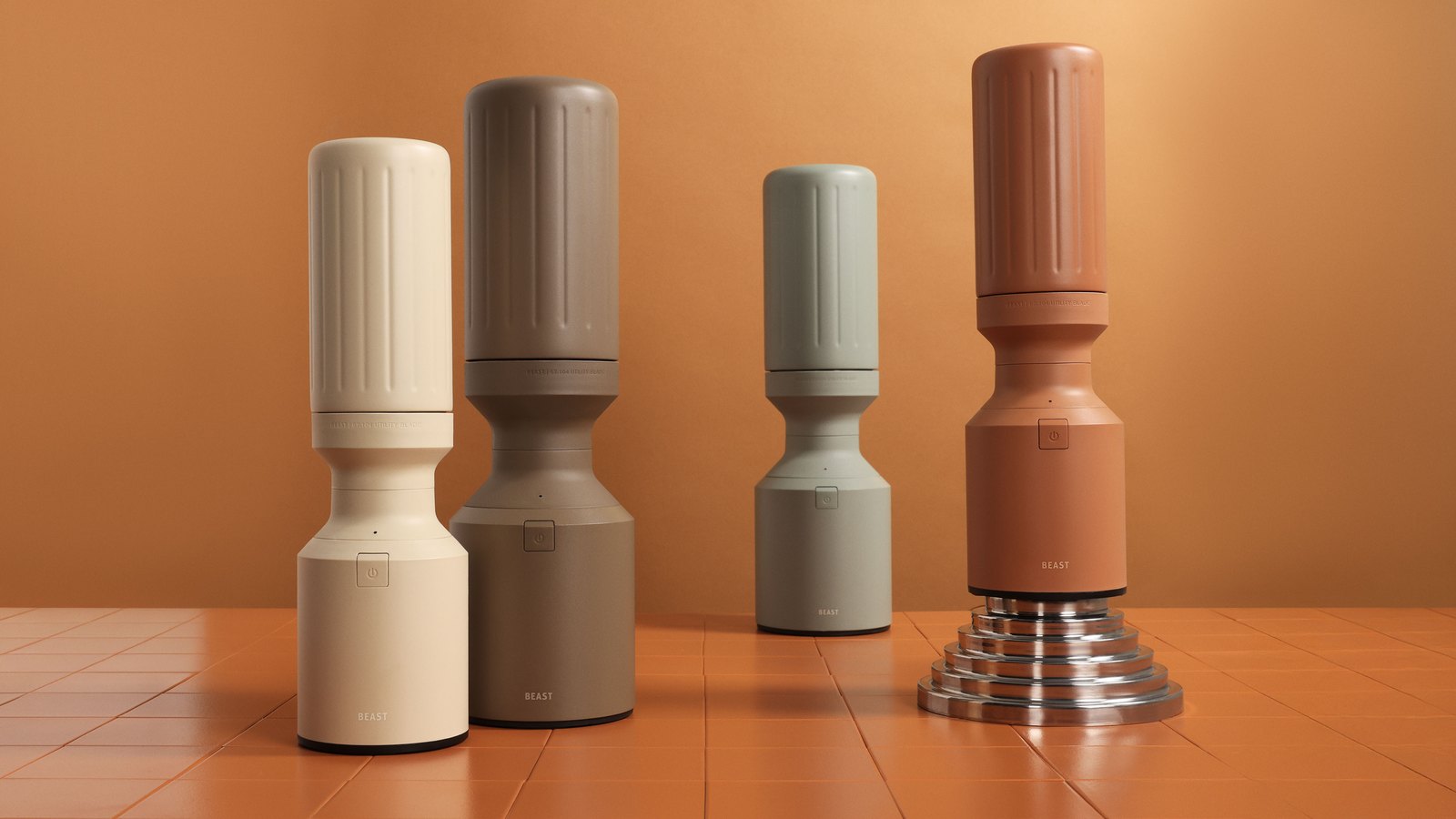
Beast stainless steel blender
Beast’s blender range, premium design in every colorway.
7.6x
upsell revenue per view vs baseline
1 in 20
orders take an upsell, up from 1 in 100
+8–10%
site-wide average order value
~$1→$7
upsell value per order
Beast · upsell revenue per view (indexed to baseline)
Structural fixes only, before any creative or design work.
Rev/view (indexed)BaselineOffer mixCart rebuild7.6x

The challenge

Beast Health is a premium blender brand with strong product-market fit, good reviews, and real Meta spend behind it. The question wasn't whether the product worked. It was how to get more from the traffic and orders already coming in, and how to reach people who didn't know Beast existed yet.

Make every order worth more

I started with the money already on the table. The upsell system was adding barely a dollar to each order. An audit of all 31 cart and post-purchase journeys found the problem: it offered the same blender in another colour, not the accessories people actually attach. I rebuilt the offer mix, fixed the logic so buyers weren't shown things they already owned, and rebuilt the cart. The structural fix alone, before any creative work, lifted upsell revenue per view 7.6x, moved the take rate from roughly 1 in 100 orders to 1 in 20, and grew the upsell's contribution per order from about a dollar to about seven. Site-wide average order value rose 8 to 10%.

Make every ad find the right person

Acquisition creative led with the product and the lifestyle, which only reached people already shopping for a blender. I shifted it to lead with the problem: research across thousands of customer reviews and tens of thousands of lines of community discussion, sorted into a hierarchy of the pains people actually talk about, microplastics, noise, mould, performance, design. Each became its own angle, its own landing page, its own customer journey. That also happens to be how Meta's algorithm wants to be fed: genuinely different messages read as genuinely different ads, which finds more buyers at lower cost than ten versions of the same thing.

The result

An upsell engine worth several times its old run rate, a measurable lift in order value across the whole site, and an acquisition strategy built on what customers actually said rather than what we assumed they wanted.

Lesson

Growth isn't always a new channel. Often it's getting full value from the traffic, the orders, and the brand you already have.

Got a growth gap that looks like one of these?

Tell me what's stuck. If I can help, I'll say so. If I can't, I'll point you to someone who can.

Let's talk